cars on the open road The facade of a classical government building with tall columns and a sculpted pediment. The phrase “EQUAL JUSTICE UNDER LAW” is inscribed above the entrance. The sky is lightly clouded above.

St. Louis Motorcycle Accident Attorneys Fighting for Injured Riders

A motorcycle accident changes everything in an instant. The physical pain arrives immediately, but the financial pressure builds just as quickly—medical bills accumulate before you’ve left the hospital, your damaged motorcycle sits in a tow yard, and missed work threatens your family’s stability.

$5B+
Won In Negotiated Settlements
Free Consultation - No Fees Unless We Win
Serving Missouri & Illinois Riders

Case Evaluation

Tell us about your situation to see if you have a case.

    This site is protected by reCAPTCHA and the Google Privacy Policy and Terms of Service apply.

    Let Us Make Your Case, Our Cause

    You’re likely wondering how you’ll pay for treatment, whether insurance will cover your losses, and if anyone will hold the driver who hit you accountable.

    These concerns are valid, and you shouldn’t face them alone. At OnderLaw, we understand the unique challenges riders face after a crash, including the unfair bias many motorcyclists encounter from insurance companies and other drivers. We offer every motorcycle accident victim a free consultation to discuss your case, answer your questions, and explain your legal options—you’ll pay no upfront costs, and we only collect fees if we recover compensation for you. Call (314) 408-6136 today to speak with an attorney who will listen to your story and fight for the justice you deserve. Our team has recovered over $5 billion in negotiated settlements for personal injury clients throughout our history, and we’re ready to put that experience to work for your recovery.

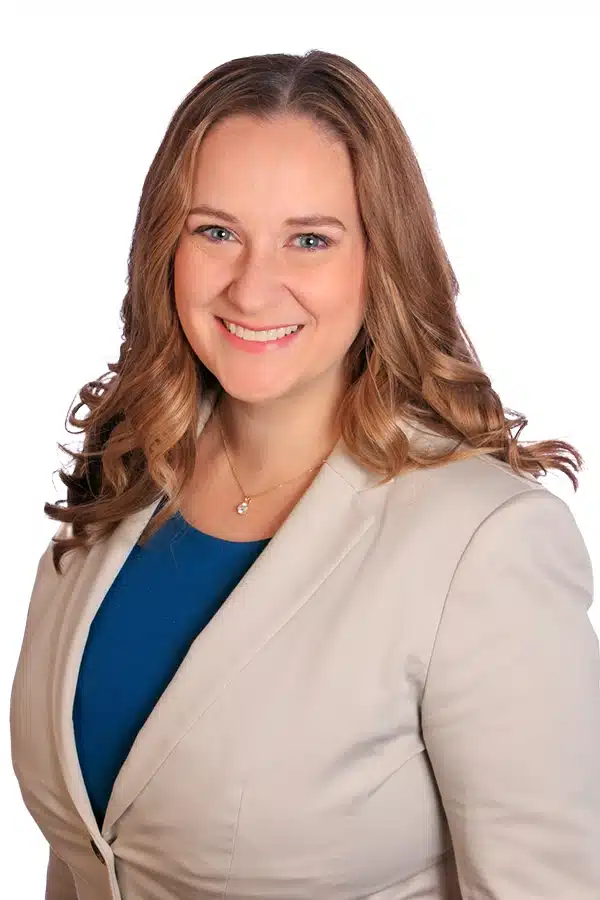
    James Onder Attorney OnderLaw | Photo Jim Onder

    Onder Wins

    Unlike many firms that treat clients like case numbers, we provide direct attorney access throughout your case, ensuring you work with experienced lawyers who understand both the legal complexities and personal challenges you’re facing after a serious collision.

    • $5+ Billion In Negotiated Settlements
    • $300M+ In Jury Verdicts
    • Voted Best Law Firm In St. Louis 
    Personal Injury Case Consultation

    “Every case is an opportunity to protect someone else’s family from tragedy”

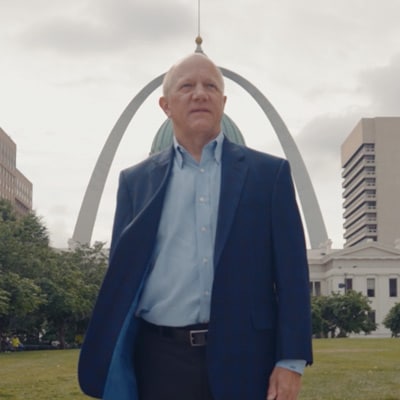
    Attorney Jim Onder in Downtown St. Louis in front of the courthouse
    Jim Onder
    Founder & Managing Partner

    Understanding Motorcycle Accident Law in Missouri and Illinois

    OnderLaw handles motorcycle accident cases under both Missouri and Illinois law, and critical differences between these states can significantly impact your case’s outcome, timeline, and recoverable compensation.

    Comparative Fault Rules

    Missouri operates under a pure comparative fault system, which means you may recover compensation even if you share some responsibility for the accident—your recovery is simply reduced by your percentage of fault. If a jury determines you were 30% at fault for a collision, for example, you would receive 70% of your total damages. By contrast, Illinois follows a modified comparative fault rule with a 51% bar, established under 735 ILCS 5/2-1116, meaning you cannot recover any compensation if you’re found more than 50% at fault for the accident.

    Helmet Laws & Insurance

    Missouri’s current helmet law, codified in RSMo §302.026 and effective since August 28, 2020, requires helmets only for riders under 26 years old and riders 26 or older who hold only an instruction permit, while riders 26 and older with a full motorcycle license and health insurance may ride without a helmet. Illinois does not require helmets for adult riders. Insurance requirements also vary between states. Missouri mandates minimum liability coverage of $25,000 per person, $50,000 per accident for bodily injury, and $25,000 for property damage under RSMo §303.190. Critically, Missouri requires uninsured motorist coverage at the same minimums, and unlike many states, this coverage cannot be waived under RSMo §379.203. Illinois requires similar minimums of $25,000/$50,000/$20,000.


    Statute of Limitations

    The statute of limitations—the deadline for filing a lawsuit—presents perhaps the most significant difference between the two states. Missouri allows five years from the date of the accident to file a personal injury lawsuit under RSMo §516.120(4), while Illinois permits only two years under 735 ILCS 5/13-202. However, wrongful death claims in Missouri must be filed within three years of the date of death under RSMo §537.100, not five. If your case involves a government entity, even shorter deadlines may apply, particularly in Illinois where claims against local governments must be filed within one year under 745 ILCS 10/8-101. Because these deadlines are strict and exceptions are rare, contacting an attorney promptly after your crash is essential to preserving your legal rights.

    OnderLaw Recent Case Results

    Our greatest results have been the relationships we’ve forged with clients we’ve helped and the lives they’ve achieved after horrific accidents with the settlements our work brought about.

    Every case is different and handled differently, but we are proud of what we have accomplished on behalf of previous clients. From multi-billion dollar mass tort settlements to individual personal injury verdicts, we fight for every penny of compensation our clients deserve.

    Past results do not guarantee future outcomes, every case is different*

    Recent victories creating lasting change across Missouri

    Types of Motorcycle Accident Cases We Handle

    Our attorneys represent injured riders in all types of collision scenarios throughout the St. Louis metropolitan area. While every crash is unique, certain patterns emerge repeatedly on Missouri and Illinois roads. Understanding these common accident types helps us build stronger cases and identify all potentially liable parties, which becomes especially important when multiple insurance policies may provide coverage for your losses.

    Left-Turn Accidents

    Left-turn accidents represent a significant portion of motorcycle collisions and often result in severe injuries. According to NHTSA data from 2021, approximately 41% of fatal two-vehicle motorcycle crashes involve a vehicle turning left while the motorcycle is going straight, passing, or overtaking. Drivers frequently claim they “never saw” the motorcycle, but failure to see what you should have seen constitutes negligence under Missouri and Illinois law.

    Lane Change Collisions

    Lane change collisions happen when drivers merge into a lane already occupied by a motorcycle, often because the rider was in the vehicle’s blind spot.

    Rear-End Crashes

    Rear-end crashes occur when a vehicle strikes a motorcycle from behind, frequently at stop signs, traffic lights, or in slowed traffic.

    Head-On Collisions

    Head-on collisions are among the most catastrophic motorcycle accidents, typically happening when a driver crosses the center line or enters the wrong side of a divided highway.

    Hit-and-Run Accidents

    Hit-and-run accidents present unique challenges, but Missouri’s mandatory uninsured motorist coverage provides a path to compensation even when the at-fault driver flees the scene.

    Road Hazard Accidents

    Road hazard accidents occur when potholes, debris, uneven pavement, or construction zone defects cause a rider to lose control. Missouri law requires a 90-day written notice to the mayor before filing suit against a city for street or sidewalk defects under RSMo §82.210, making early legal consultation particularly important in these cases.

    Multi-Vehicle Pile-Ups

    Multi-vehicle pile-ups on highways can trap motorcyclists between larger vehicles, and determining liability in these complex accidents often requires extensive investigation.

    Drunk Driver Accidents

    Drunk driver accidents may support claims for punitive damages in addition to compensatory damages.

    Distracted Driver Accidents

    Distracted driver accidents have become increasingly common, and Missouri’s hands-free law, effective August 28, 2023 under RSMo §304.822, prohibits holding or using electronic devices while driving, providing additional evidence of negligence in many recent cases.

    Led by Attorneys Who Believe in Causes,
    Not Just Cases

    Our Personal Injury Attorneys have decades of experience transforming personal tragedies into wins for our clients.

    Common Causes of Motorcycle Accidents in St. Louis

    Understanding why motorcycle accidents happen helps us build stronger cases and counter the defense tactics insurance companies commonly employ. While every crash has unique circumstances, certain driver behaviors and road conditions contribute to a disproportionate number of collisions in the St. Louis area.

    Failure to Yield

    Failure to yield at intersections remains the leading cause of motorcycle accidents involving another vehicle. According to NHTSA data from 2021, approximately 41% of fatal two-vehicle motorcycle crashes occur when a driver violates the motorcyclist’s right-of-way, most commonly during left turns. Missouri and Illinois law requires motorists to look carefully for all vehicles, including motorcycles, before proceeding through intersections or making turns.

    Distracted Driving

    Distracted driving has reached epidemic proportions on American roads, and motorcyclists pay a disproportionate price when drivers text, adjust navigation systems, or engage in other distracting behaviors. Missouri’s Siddens Bening Hands-Free Law, which took effect August 28, 2023, prohibits holding or using electronic devices while driving. Full fine enforcement begins January 1, 2025, after a warning-only grace period.

    Speeding & Aggressive Driving

    Speeding and aggressive driving reduce the time drivers have to react to motorcycles and increase the severity of crashes when they occur. According to NHTSA data from 2020, 34% of motorcycle riders in fatal crashes were speeding at the time of the collision.

    Impaired Driving

    Impaired driving plays a role in a substantial percentage of motorcycle fatalities. NHTSA data from 2023 indicates that 41% of single-vehicle fatal motorcycle crashes involve alcohol-impaired riders, but impaired drivers of other vehicles also cause numerous motorcycle accidents throughout the St. Louis area.

    Poor Road Conditions

    Poor road conditions pose particular dangers for motorcyclists, who have less stability than four-wheeled vehicles when encountering potholes, uneven pavement, gravel, or oil slicks.

    Weather-Related Factors

    Weather-related factors including rain, fog, and ice create hazardous conditions for all vehicles, but motorcycles are especially vulnerable to loss of traction.

    Vehicle Blind Spots

    Vehicle blind spots are larger for motorcycles than for cars, and drivers who fail to check their blind spots before changing lanes frequently strike motorcycles they claim they never saw. These patterns inform our investigation strategy and help us gather the right evidence to prove negligence, which becomes particularly important when insurance companies attempt to shift blame to the motorcyclist.

    Injuries Sustained in Motorcycle Accidents

    Motorcycle accidents often result in severe, life-altering injuries because riders lack the protective barriers that cars provide. Understanding the full scope of potential injuries is essential for ensuring you receive adequate compensation.

    Traumatic Brain Injuries

    Traumatic brain injuries represent one of the most serious consequences of motorcycle accidents. Even riders wearing helmets can suffer concussions, contusions, or more severe brain damage.

    Spinal Cord Injuries

    Spinal cord injuries can result in partial or complete paralysis, fundamentally altering every aspect of a victim’s life.

    Road Rash

    Road rash might sound minor, but severe cases involve deep tissue damage that requires skin grafts and leaves permanent scarring.

    Broken Bones

    Broken bones are common in motorcycle accidents, and riders frequently suffer multiple fractures in a single crash. Compound fractures, where bone penetrates the skin, carry infection risks and often require surgical intervention.

    Internal Injuries

    Internal injuries including damage to organs, internal bleeding, and ruptured spleens or livers can be life-threatening and may not be immediately apparent after a crash.

    Fatal Injuries

    Fatal injuries tragically occur in the most severe motorcycle accidents. Missouri recorded 172 motorcycle fatalities in 2023, the highest number on record according to MoDOT data, and 42% of Missouri motorcycle fatalities in 2023 involved riders not wearing helmets according to the same source. When a motorcycle accident results in death, surviving family members may pursue wrongful death claims. Missouri law allows three years from the date of death to file wrongful death claims under RSMo §537.100, while Illinois permits two years under 740 ILCS 180/2.

    Motorcycle accidents often result in severe, life-altering injuries because riders lack the protective barriers that cars provide. Understanding the full scope of potential injuries is essential for ensuring you receive adequate compensation.

    What to Do After a Motorcycle Accident in St. Louis

    The actions you take immediately after a motorcycle accident can significantly impact both your physical recovery and your legal case. While your first priority should always be your health and safety, understanding the proper steps to take can help preserve evidence and protect your rights.

    1. Call 911 Immediately

      Call 911 immediately, even if your injuries seem minor, because some serious injuries may not produce immediate symptoms.

    2. Document the Scene

      Document the scene thoroughly if you’re physically able to do so safely—use your phone to photograph damage, road conditions, and visible injuries.

    3. Obtain Witness Information

      Obtain witness contact information from anyone who saw the accident occur.

    4. Seek Medical Attention

      Seek immediate medical attention, even if you believe your injuries are minor, because adrenaline can mask pain and insurance companies often argue that delayed treatment means injuries weren’t serious.

    5. Protect Your Legal Rights

      Never admit fault or apologize at the accident scene, even if you believe you may have contributed to the crash. Don’t give recorded statements to insurance companies without speaking to an attorney first.

    6. Contact Your Insurance Company

      Contact your insurance company to report the accident, but you can provide basic information without giving a detailed recorded statement.

    7. Preserve Evidence

      Preserve all evidence including your damaged helmet, torn clothing, and damaged motorcycle parts.

    8. Call an Attorney

      Call an attorney before accepting any settlement offer, because insurance companies often make quick, lowball offers before victims understand the full extent of their injuries. Once you accept a settlement and sign a release, you typically cannot pursue additional compensation later.

    Compensation Available in Motorcycle Accident Cases

    Motorcycle accident victims may be entitled to several types of compensation, collectively referred to as damages. Understanding what you may be able to recover helps you evaluate settlement offers and ensures you don’t accept less than your case is worth.

    Economic Damages

    Economic damages compensate you for financial losses that can be calculated with reasonable precision. Medical expenses form the largest component for most seriously injured riders, including emergency treatment, hospitalization, surgery, rehabilitation, and prescription medications. Importantly, compensation should include not just past medical bills but also the estimated cost of future medical care you’ll need as a result of your injuries. Lost wages compensate you for income you’ve missed while recovering, and if your injuries prevent you from returning to your previous job or reduce your earning capacity, you may also recover compensation for diminished future earnings. Property damage compensation covers the cost to repair or replace your motorcycle, as well as damage to riding gear and helmets. Out-of-pocket expenses including transportation to medical appointments and home care services are all compensable as economic damages.

    Non-Economic Damages

    Non-economic damages compensate you for losses that don’t have a precise dollar value but are nonetheless real and significant. Pain and suffering encompasses the physical pain you’ve endured and will continue to experience. Emotional distress includes anxiety, depression, PTSD, and other psychological impacts. Loss of enjoyment of life compensates you for activities you can no longer participate in or enjoy as you did before the accident. Missouri does not cap non-economic damages in motor vehicle accident cases, allowing juries to award whatever amount they deem appropriate based on the evidence. Illinois similarly does not cap non-economic damages in most personal injury cases.

    Punitive Damages

    Punitive damages serve to punish particularly egregious conduct and deter similar behavior in the future. In Missouri, punitive damages may be available when the defendant’s conduct showed complete indifference to or conscious disregard for the safety of others under RSMo §510.265. These damages are capped at the greater of $500,000 or five times the net compensatory damages, unless the defendant was convicted of a felony related to the conduct that caused the injury.

    Government Entity Claims

    When government entities are liable for motorcycle accidents, sovereign immunity caps may limit recovery. In Missouri, these caps are adjusted annually for inflation and currently stand at approximately $484,000 per person and $3,630,000 per occurrence under RSMo §537.610, though these figures should be verified with the Missouri Division of Risk Management for current amounts.

    Motorcycle accident victims may be entitled to several types of compensation, collectively referred to as damages. Understanding what you may be able to recover helps you evaluate settlement offers and ensures you don’t accept less than your case is worth.

    The Legal Process for Motorcycle Accident Cases

    Understanding what to expect during the legal process can help reduce anxiety and allow you to make informed decisions about your case. While every motorcycle accident case is unique, most follow a similar progression from initial consultation through resolution.

    1. Initial Consultation and Case Evaluation

      Initial consultation and case evaluation begins when you contact our firm. During this free meeting, we’ll listen to your account of the accident, review documentation, and assess the strength of your potential claim.

    2. Investigation and Evidence Gathering

      Investigation and evidence gathering starts immediately after you retain our firm—we’ll obtain the police report, request medical records, photograph damage, interview witnesses, and gather any available video footage.

    3. Medical Treatment and Documentation

      Medical treatment and documentation continues throughout the legal process, and we’ll work with your healthcare providers to ensure your treatment is properly documented.

    4. Filing Insurance Claims

      Filing insurance claims involves submitting formal demands to all potentially liable insurance policies.

    5. Negotiation with Insurance Companies

      Negotiation with insurance companies often results in settlement without the need for litigation, as most cases resolve during this phase when insurers recognize the strength of the evidence.

    6. Filing a Lawsuit

      Filing a lawsuit becomes necessary when insurance companies refuse to offer fair compensation. In Missouri, personal injury lawsuits must be filed within five years of the accident date under RSMo §516.120(4), while Illinois requires filing within two years under 735 ILCS 5/13-202.

    7. Discovery Phase

      Discovery phase allows both sides to gather information through written questions, document requests, and depositions.

    8. Mediation and Settlement Conferences

      Mediation and settlement conferences provide structured opportunities for both sides to negotiate with the assistance of a neutral mediator.

    9. Trial

      Trial occurs when settlement negotiations fail and becomes necessary to obtain fair compensation. Understanding each phase of the process helps you prepare mentally and emotionally for the journey ahead, though most cases reach favorable settlements before trial becomes necessary.

    What Our Clients Say

    I called in for assistance on my case and Dawn, from client relations, went above and beyond to get me the answers I needed!!! Dawn was very informative and provided empathy you typically don’t find from a law firm. She’s a gem of an employee!

    Genny Jobst

    OnderLaw Client

    Upon reaching out to Onder law I spoke to Tonya Benton. She was so helpful and put my mind at ease in a difficult situation. Thank you for making my feelings a priority in a world where most don't!

    Kaylee Shoffner

    OnderLaw Client

    I had a great experience with the communication that was given. They returned our calls quickly, which was nice. They were very helpful with and questions I had. They made things as simple and smooth as possible.

    Ryan Beck

    OnderLaw Client

    Fighting Insurance Company Tactics

    Insurance companies are businesses focused on minimizing payouts, and they employ numerous tactics to reduce or deny legitimate motorcycle accident claims. Understanding these strategies helps you avoid common pitfalls and explains why having experienced legal representation is so valuable.

    Blaming the Motorcyclist

    Blaming the motorcyclist is perhaps the most common tactic insurers use, exploiting unconscious biases many people harbor against motorcyclists. Adjusters may claim you were speeding or weaving through traffic, even without evidence.

    Minimizing Injuries

    Minimizing injuries involves arguing that your injuries aren’t as severe as you claim or that they’ll heal quickly without long-term consequences.

    Delaying Claims

    Delaying claims is a strategy designed to frustrate you into accepting a low settlement offer.

    Lowball Settlement Offers

    Lowball settlement offers often come quickly after an accident, before you’ve fully understood the extent of your injuries or consulted with an attorney.

    Requesting Unnecessary Documentation

    Requesting unnecessary documentation can be a stalling tactic or an attempt to find information that can be used against you.

    Using Recorded Statements Against You

    Using recorded statements against you is why we advise clients never to give recorded statements without attorney representation.

    Surveillance Tactics

    Surveillance tactics including hiring private investigators to video you performing daily activities are increasingly common in significant injury cases.

    How OnderLaw Fights Back

    How OnderLaw fights back involves aggressive advocacy at every stage of your case. We conduct thorough investigations that often uncover evidence insurance companies hoped would remain hidden. We retain expert witnesses including accident reconstructionists, medical specialists, and economists who can testify about fault, injuries, and damages. We’re experienced negotiators who understand insurance company tactics and know how to counter them effectively. When insurers refuse to offer fair compensation, we’re prepared to take cases to trial. Our track record of recovering over $5 billion in negotiated settlements for personal injury clients demonstrates our commitment to obtaining justice for injured victims.

    Insurance companies are businesses focused on minimizing payouts, and they employ numerous tactics to reduce or deny legitimate motorcycle accident claims. Understanding these strategies helps you avoid common pitfalls and explains why having experienced legal representation is so valuable.

    Missouri vs. Illinois Motorcycle Laws: Key Differences

    Because OnderLaw serves the St. Louis metropolitan area, which spans both Missouri and Illinois, understanding the key legal differences between these states is essential for protecting your rights after a motorcycle accident.

    Helmet & Insurance Requirements
    Filing Deadlines & Fault Rules
    Medical Resources
    Helmet Requirements

    Missouri’s current law requires helmets only for riders under 26 and those 26 or older with only an instruction permit under RSMo §302.026, while riders 26 and older with a full motorcycle license and health insurance may ride without helmets. Illinois does not require helmets for adult riders at all. According to MoDOT data from 2023, 42% of Missouri motorcycle fatalities involved riders not wearing helmets.

    Insurance Minimums

    Missouri requires $25,000/$50,000/$25,000 in liability coverage under RSMo §303.190, while Illinois mandates $25,000/$50,000/$20,000. More significantly, Missouri requires uninsured motorist coverage at the same minimums, and this coverage cannot be waived under RSMo §379.203.

     

    Statute of Limitations

    Missouri allows five years to file personal injury lawsuits under RSMo §516.120(4), while Illinois permits only two years under 735 ILCS 5/13-202. Wrongful death claims must be filed within three years in Missouri under RSMo §537.100 and two years in Illinois under 740 ILCS 180/2.


    Comparative Fault Rules

    Missouri follows pure comparative fault, allowing recovery even if you share some responsibility for the crash, though your damages are reduced proportionally. Illinois uses modified comparative fault with a 51% bar under 735 ILCS 5/2-1116, meaning you cannot recover if you’re more than 50% at fault.


    Barnes-Jewish Hospital

    St. Louis area trauma center treating approximately 14,700 trauma patients annually with a 99% survival rate according to 2024 data. Provides excellent emergency care for motorcycle accident victims.


    Documentation Assistance

    We can assist with obtaining police reports and other documentation during our investigation of your case.


    Frequently Asked Questions

    How much is my motorcycle accident case worth?

    Every motorcycle accident case value depends on multiple factors including the severity of your injuries, the extent of your medical treatment, your lost wages and diminished earning capacity, the degree of fault assigned to each party, and the impact the accident has had on your quality of life. Our attorneys provide free case evaluations where we can estimate your claim’s potential value based on similar cases we’ve handled and the specific facts of your situation.

    Do I need a lawyer for my motorcycle accident claim?

    While you’re not legally required to hire an attorney, having experienced legal representation significantly increases your likelihood of obtaining fair compensation. Insurance companies often exploit unrepresented accident victims by making lowball offers, using recorded statements against them, and taking advantage of their unfamiliarity with the legal process. Our attorneys know Missouri and Illinois motorcycle laws, understand the tactics insurance companies use, and fight the unfair bias many motorcyclists face from adjusters.

    What if I wasn't wearing a helmet during my motorcycle accident?

    Missouri law requires helmets for riders under 26 and those 26 or older with only an instruction permit, but riders 26 and older with a full license and health insurance may ride without helmets under RSMo §302.026, while Illinois doesn’t require helmets for adult riders. Not wearing a helmet when required doesn’t eliminate your right to compensation, though it may affect your case under comparative fault principles. Medical evidence and expert testimony can counter insurance company arguments by demonstrating which injuries would have occurred regardless of helmet use.

    How long do I have to file a motorcycle accident lawsuit?

    Missouri provides five years from the accident date to file a personal injury lawsuit under RSMo §516.120(4), while Illinois allows only two years under 735 ILCS 5/13-202. Wrongful death claims have shorter deadlines—three years in Missouri under RSMo §537.100 and two years in Illinois under 740 ILCS 180/2. If your case involves a government entity, even shorter deadlines may apply, particularly in Illinois where claims against local governments must be filed within one year under 745 ILCS 10/8-101.

    What if the driver who hit me doesn't have insurance?

    Uninsured motorist coverage on your motorcycle insurance policy can provide compensation when an at-fault driver lacks insurance or flees the scene. Missouri requires uninsured motorist coverage at minimum liability limits, and critically, this coverage cannot be waived under RSMo §379.203. We help clients pursue all available coverage sources, including underinsured motorist benefits when the at-fault driver’s coverage is insufficient to compensate your losses fully.

    Can motorcycle passengers file injury claims?

    Yes, injured motorcycle passengers can file claims against the at-fault driver and potentially against the motorcycle operator if they contributed to the accident through negligence. Passengers often have stronger cases because they bear no responsibility for operating either vehicle involved in the crash. The same types of damages available to riders—medical expenses, lost wages, pain and suffering, and others—are available to injured passengers.

    Why Choose OnderLaw for Your Motorcycle Accident Case

    Our firm has recovered over $5 billion in negotiated settlements for personal injury clients throughout our history, demonstrating our ability to obtain significant compensation even in complex cases against well-funded insurance companies. We understand that motorcycle accidents differ from car accidents in critical ways—riders face unfair stereotypes and prejudices that insurance adjusters exploit to minimize claims, injuries tend to be more severe because motorcycles offer no protective barrier, and accident reconstruction often requires specialized expertise.

    Resources matter when fighting large insurance companies that have teams of lawyers and investigators working to minimize your claim. OnderLaw has the financial resources to retain top accident reconstruction experts, medical specialists, economists, and other professionals whose testimony can be crucial to proving fault and damages. No fees unless we win means you can afford experienced legal representation regardless of your financial situation. Free consultations allow you to discuss your case with an experienced attorney without any financial obligation. 24/7 availability ensures you can reach us when you need us most.

    $5B+
    In Negotiated Settlements
    $500M+
    In Jury Verdicts
    Attorney Jim Onder in Downtown St. Louis in front of the courthouse

    Contact Our St. Louis Motorcycle Accident Lawyers Today

    We offer every motorcycle accident victim a free, no-obligation consultation to discuss your case, answer your questions, and explain your legal options. You’ll pay no upfront costs—we only collect attorney fees if we recover compensation for you. Our team is available 24/7 because we understand that accidents and questions don’t wait for business hours.

    Call (314) 408-6136 today to speak with an attorney who will listen to your story, fight for your rights, and work tirelessly to obtain the justice you deserve.

    24/7
    Call Us Anytime
    $0
    Zero Upfront Costs

    Contact Our Attorneys Now

    Our free consultation helps you understand your rights and options.

      This site is protected by reCAPTCHA and the Google Privacy Policy and Terms of Service apply.